

A first-year DNB (Diplomate of National Board) general surgery trainee at Saifee Hospital in Mumbai reportedly attempted suicide in early September 2026 after the hospital suspended her following complaints about excessively long duty hours. According to reports, this was her second such attempt within months, and the case has reopened urgent debate about resident doctor burnout, NBEMS oversight, and what medical graduates should know before choosing postgraduate training in India.
For thousands of NEET PG and INI-CET aspirants who miss MD/MS seats or prefer flexible hospital-based training, DNB remains a major pathway. Yet incidents like the one at Saifee Hospital remind students that where you train matters as much as the degree on your certificate. This guide explains what happened, what DNB duty-hour rules say, how NBEMS responds to complaints, and how future doctors can make safer, better-informed training choices especially if you are exploring medical colleges in Mumbai, Rajasthan, or elsewhere.
What Happened at Saifee Hospital, Mumbai?
Reports indicate that a first-year DNB general surgery trainee at Saifee Hospital in Mumbai attempted suicide, citing unbearable working conditions linked to long duty hours. A suspension order dated September 2, 2026, reportedly instructed her not to enter hospital premises without permission from authorities.
According to a friend who spoke to media, the trainee and her colleagues were often required to report in the morning and work past midnight. While many resident doctors across India face similar schedules, the trainee reportedly struggled to cope and had raised concerns with the National Board of Examinations in Medical Sciences (NBEMS), which regulates DNB programmes nationwide.
NBEMS Intervention and Hospital Response
After the trainee complained to NBEMS, the board reportedly asked the hospital to regularise her duty hours. Following this intervention, her role was allegedly reduced to a floor Resident Medical Officer (RMO) with limited exposure to surgical cases a change that trainees often fear because DNB certification depends heavily on logged procedures and thesis completion.
Additional allegations from supporters include being asked to punch out at 4 pm while still working beyond official hours, facing humiliation, peer taunting, difficulty with thesis acceptance, and escalation over a surgical mistake typical of early training. The trainee was reportedly stable after ICU admission and had returned home to Bhiwandi with her parents; Mumbai police recorded her statement.
The hospital's DNB coordinator, however, stated that the trainee had been found guilty of multiple instances of misconduct, had received a charge sheet, and that claims about extended duty hours and harassment were false. An August 14 show-cause notice reportedly cited false allegations, refusal to admit a patient, and defamatory social media posts as grounds for possible suspension.
As with many workplace disputes in teaching hospitals, two narratives coexist: trainees describe systemic overwork and retaliation, while institutions cite discipline and patient-care standards. For students researching postgraduate options, the lesson is not to pick a side from headlines alone, but to verify training culture before admission.
Understanding DNB Training in India
DNB is a postgraduate medical qualification awarded by NBEMS after structured training at accredited hospitals. Unlike MD/MS seats tied to medical colleges, DNB posts are hospital-centric. This model offers more seats and diverse clinical exposure, but supervision quality, duty norms, and academic support vary sharply between centres.
How DNB Admission Works After NEET PG
Most DNB specialty seats are filled through NEET PG counselling conducted by NBEMS alongside MD/MS allocation. After qualifying NEET PG, candidates register on the NBEMS portal, indicate hospital preferences, and accept allotted seats in successive rounds. Vacant seats may appear in mop-up rounds, but these should not be chosen hastily without verifying hospital conditions.
Key documents at joining include your NEET PG scorecard, internship completion certificate, medical registration, and bond undertakings where applicable. Read the hospital's service rules before signing some private hospitals impose financial bonds or penalty clauses for mid-course exit that can trap trainees in unhealthy environments.
Who Should Consider DNB?
DNB suits candidates who:
- Want clinical training in large multispecialty or tertiary hospitals
- Miss MD/MS cut-offs in NEET PG or INI-CET counselling
- Prefer earning while learning through stipend-supported residency
- Are willing to research hospital reputation beyond rank lists
Students comparing options in Maharashtra might look at established health-science institutions such as MGM Institute of Health Sciences Navi Mumbai or Padmashree Dr D Y Patil Vidyapeeth Mumbai alongside DNB-accredited hospitals. In Rajasthan, colleges like Shri Kalyan Government Medical College Sikar, Prince Medical College Hospital Sikar, and Kota-based centres including Sudha Medical College And Hospital Kota represent the broader ecosystem of medical education that NEET PG aspirants evaluate alongside DNB.
DNB vs MD/MS: A Quick Comparison
| Factor | DNB | MD/MS |
|---|---|---|
| Regulator | NBEMS | NMC / University |
| Training site | Accredited hospital | Medical college hospital |
| Seat availability | Generally higher | Limited in government colleges |
| Clinical exposure | Varies by hospital volume | Often structured via university |
| Supervision norms | Hospital-dependent | Faculty-linked |
| Recognition | Recognised for most posts; check state rules | Universally recognised |
Duty Hours, Burnout, and the Resident Doctor Crisis
The Saifee Hospital case did not emerge in isolation. Resident doctor overwork has been documented repeatedly across India. A FAIMA survey cited in education media found that 61% of resident doctors worked more than 36 hours at a stretch, highlighting systemic burnout rather than isolated individual failure.
What Do Rules Say About Duty Hours?
NBEMS and broader medical council guidelines expect reasonable duty rosters, adequate rest, and training activities aligned with the enrolled specialty. In practice, emergency departments, surgical units, and understaffed wards often stretch shifts especially in private hospitals with high patient load.
When duty exceeds norms, trainees may experience:
- Sleep deprivation and clinical errors
- Delayed thesis and logbook completion
- Mental health deterioration
- Fear of complaining due to suspension or seat loss
Mumbai hosts some of India's busiest healthcare networks. Students pursuing higher education in the city whether at University of Mumbai, Homi Bhabha National Institute Mumbai, or Amity University Mumbai should note that urban hospital intensity affects DNB trainees disproportionately because service load often outweighs teaching time.
Why Complaints Are Hard to Raise
A May 2026 complaint letter to the Ministry of Health reportedly stated that DNB trainees at Saifee Hospital feared retaliation if they raised duty-hour concerns. Another surgery trainee allegedly resigned the previous month due to unbearable conditions. NBEMS officials reportedly suggested a high-level committee to record trainee statements without victimisation and to examine whether duties were unrelated to specialty training.
This fear is common nationwide. Trainees depend on guide signatures, department goodwill, and unbroken tenure for degree completion. A suspension even temporary can delay exams, weaken logbooks, and harm mental health, as the Mumbai case tragically illustrates.
What NBEMS Can and Cannot Do
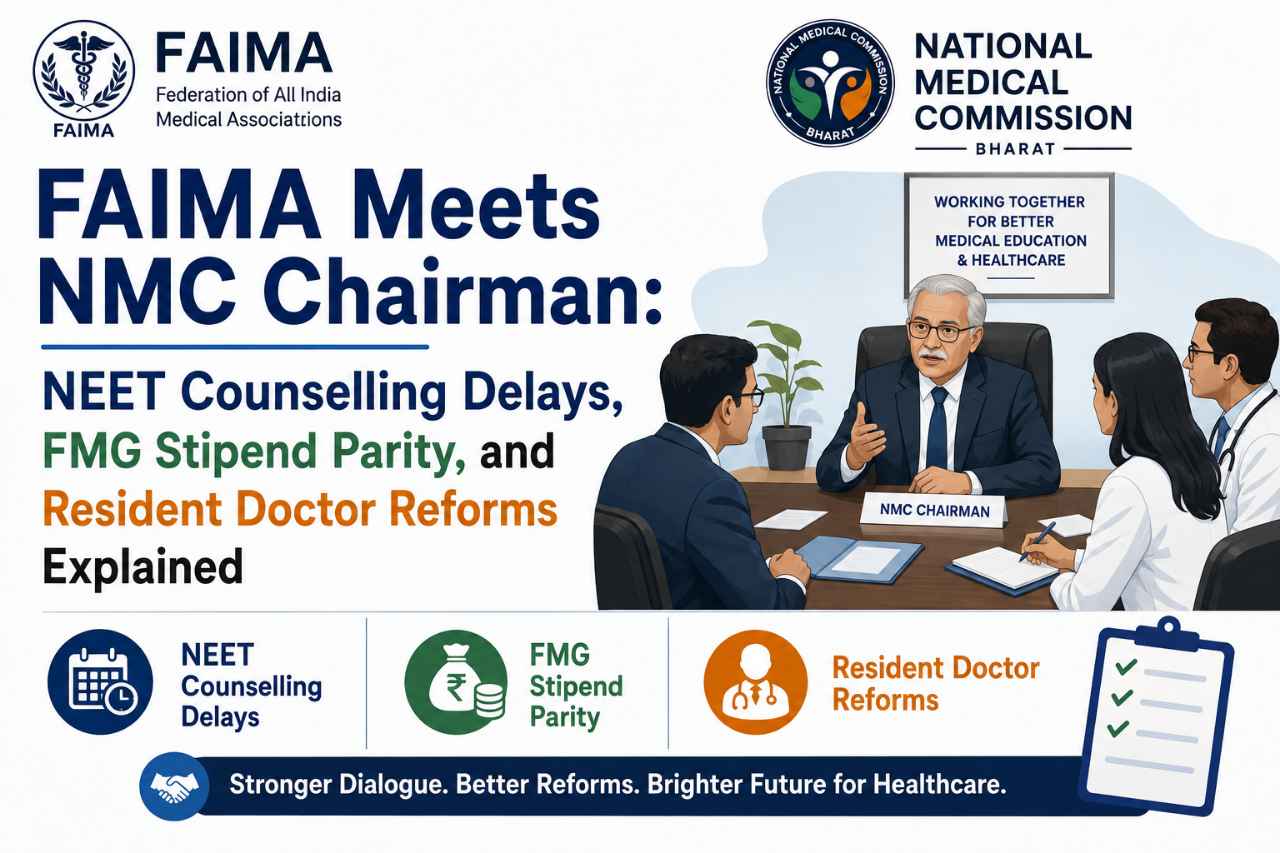
NBEMS accredits hospitals, conducts DNB entrance exams (including NEET PG-based allocation for many seats), and monitors training standards. When complaints arrive, the board can seek explanations from hospitals, direct duty regularisation, and inspect academic compliance.
Limits of Regulatory Oversight
NBEMS does not run day-to-day hospital HR. Enforcement often depends on documentation, hospital cooperation, and follow-up inspections. Trainees report that interventions may reduce clinical exposure rather than fix root causes a perceived penalty for speaking up.
Aspirants should treat NBEMS accreditation as a minimum threshold, not a quality guarantee. Visit forums, speak to current DNB residents offline, and check whether past complaints received sustained resolution.
How to File an NBEMS Complaint Correctly
If you face illegal duty hours or training violations, follow a structured approach:
- Collect evidence: duty rosters, WhatsApp group messages assigning shifts, biometric punch records, and personal hour logs.
- Send a formal email to hospital HR and the DNB coordinator with dates and specifics not vague statements.
- Parallel complaint to NBEMS through the official trainee grievance channel on the NBEMS website, attaching evidence.
- Inform your state medical association resident-doctor forum if retaliation begins.
- Never share patient-identifiable data on public social media; this can trigger misconduct charges.
How the Saifee Hospital Case Affects NEET PG and DNB Aspirants
If you are preparing for NEET PG 2026 counselling or upcoming DNB seat allocation, this incident offers practical lessons rather than reasons to abandon hospital-based training altogether.
Red Flags During Hospital Selection
- Residents unwilling to speak on record about duty rosters
- High turnover or mid-course resignations in a specialty
- Frequent thesis delays or guide changes
- Social media warnings from multiple anonymous trainees
- Mismatch between advertised stipend and actual working hours
- Non-surgical duties assigned to surgical DNB trainees routinely
Green Flags to Look For
- Published duty rosters and night-call schedules
- Active academic sessions and structured logbook reviews
- NBEMS inspection outcomes or quality certifications
- Alumni who completed DNB on time without public disputes
- Hospital wellness or counselling access for staff
Students exploring alternatives to pure clinical tracks such as hospital administration through an MBA or Master of Business Administration MBA after medicine sometimes use postgraduate years to pivot toward healthcare management. Institutions like Tata Institute of Social Sciences Mumbai also contribute to policy and social-science research on worker wellbeing, a relevant lens for understanding resident doctor crises.
Mental Health Support for Medical Trainees
Medical education culture often rewards endurance over help-seeking. The Saifee Hospital trainee's reported second suicide attempt underscores that mental health emergencies require immediate intervention, not delayed disciplinary hearings.
Helplines and Safe Disclosure
If you or someone you know is in distress, contact:
- AASRA: 9820466726
- iCALL: 9152987821
- Local hospital psychiatry emergency services
- State medical association resident-doctor cells
Trainees should document duty hours, save rosters, and email complaints through official NBEMS channels to create a paper trail. Peer networks like the Lucknow-based doctor who advocated publicly in this case can help escalate concerns while protecting identity where possible.
What Colleges and Hospitals Should Do
Accredited centres must separate disciplinary processes from mental-health crises, offer confidential counselling, and ensure suspensions do not block access to care. Hospitals in tier-2 cities such as Bharat Vikas Parishad Hospital And Research Center Kota are not immune to overwork, but smaller centres sometimes offer more predictable schedules; research locally rather than assuming urban prestige equals better training.
Legal and Professional Dimensions
Show-cause notices, charge sheets, and suspension orders are formal HR tools. Trainees have the right to written explanations, fair hearings, and representation. Defamatory posts and patient-care allegations are serious; hospitals must investigate, but investigations should not preclude independent review of duty-hour compliance.
Mumbai police involvement after the suicide attempt suggests the matter may extend beyond NBEMS into criminal or welfare inquiries. For students, the takeaway is to keep communication professional, factual, and documented when raising grievances.
Regional Context: Mumbai, Rajasthan and Beyond
Postgraduate medical training conditions differ by city and hospital ownership. Mumbai's private tertiary centres often combine high surgical volumes with competitive DNB environments. Rajasthan offers a mix of government medical colleges Government Ayurved Mahavidyalaya Sikar and allied health campuses in Sikar illustrate how medical education hubs develop and private hospitals that also seek DNB accreditation.
When counselling lists show a seat at a prestigious Mumbai address versus a government college in a smaller city, weigh:
- Total logged cases in your specialty per year
- Guide availability and thesis track record
- Stipend versus living costs in that city
- Exit bond amount and duration
- History of trainee complaints on public record
NEET PG rank alone should not override these factors. A lower-ranked hospital with stable training may produce a better specialist than a famous name with toxic rosters.
Stipend, Bonds and Financial Pressure on DNB Trainees
Beyond duty hours, financial stress shapes trainee wellbeing. DNB stipends vary by hospital type and city. Private hospitals in Mumbai may pay amounts that barely cover shared accommodation, pushing residents to accept extra shifts or locum work illegally. Government-linked programmes generally offer more predictable pay but fewer seats.
Read bond clauses carefully before NEET PG counselling ends. Some hospitals recover lakhs of rupees if a trainee resigns mid-course a powerful deterrent against leaving toxic workplaces. Combine heavy bonds with 16-hour shifts and thesis pressure, and mental health risks multiply. Discuss financial planning with family before accepting any seat, especially in high-cost metros.
Students who later pivot to healthcare management through programmes like MBA Finance often cite PG years as the period when clinical passion collided with institutional stress. Understanding that intersection helps mentors guide juniors toward sustainable career paths rather than silent endurance.
Parent and Mentor Checklist for PG Medical Aspirants
Parents and senior doctors often influence hospital choices during NEET PG counselling. Use this checklist together:
- Confirm NBEMS accreditation status for the exact specialty seat not just the hospital brand name.
- Ask whether the stipend covers rent and food in cities like Mumbai where living costs are high.
- Check if the hospital provides hostel or safe accommodation for women trainees working night shifts.
- Discuss a backup plan if training conditions become unsafe, including mid-course transfer rules.
- Save helpline numbers before relocation; isolation increases burnout risk in new cities.
Open conversations at home reduce stigma. Many trainees hide distress until crisis point because they fear disappointing families who invested years in MBBS education.
Actionable Advice for Future DNB Residents
- Before joining: Contact two to three current residents privately; ask about monthly call frequency and thesis support.
- After joining: Maintain a personal duty log with dates and hours.
- If overworked: Email NBEMS and hospital HR simultaneously with specific dates.
- If suspended: Seek legal counsel from medical associations; do not sign admissions of guilt without review.
- For mental health: Treat crisis symptoms as medical emergencies first, disciplinary issues second.
- During counselling: Prefer hospitals with stable DNB programmes over last-minute vacant seats unless you have verified ground reports.
Broader Reforms Needed in Postgraduate Medical Training
India needs consistent duty-hour enforcement, anonymous complaint channels, and consequences for hospitals that retaliate against whistleblowers. National surveys, resident-doctor unions, and NBEMS inspection reforms all point toward the same goal: training that produces competent specialists without sacrificing physician wellbeing.
The Saifee Hospital complaint letter reportedly asked whether academic supervision was provided by qualified modern-medicine specialists as mandated by NBEMS, whether excessive duty affected patient care, and whether a resigned trainee deserved reinstatement with written assurance of compliance. These questions apply nationally not only to one Mumbai hospital.
Until systemic change arrives, aspirants must perform due diligence. Use credible news reports, official NBEMS notices, and alumni networks. Compare DNB hospitals with MD/MS colleges on equal footing whether that is a government medical college in Sikar or a deemed university in Navi Mumbai.
Conclusion
The reported suicide attempt by a DNB general surgery trainee at Saifee Hospital in Mumbai is a sobering reminder that postgraduate medical training in India can carry heavy human costs when duty hours, oversight, and mental-health support fail together. NBEMS intervention, hospital suspension orders, and conflicting accounts of misconduct versus retaliation show how complex these cases become and why prospective trainees must look beyond seat lists during NEET PG and DNB counselling.
Choose accredited hospitals with verified training cultures, document your working conditions, know your regulatory rights, and seek help early if stress becomes unmanageable. A medical career is a marathon; the institution you join for DNB should prepare you for lifelong practice not push you to breaking point in your first year.
If you are in immediate distress, please call AASRA at 9820466726 or iCALL at 9152987821.