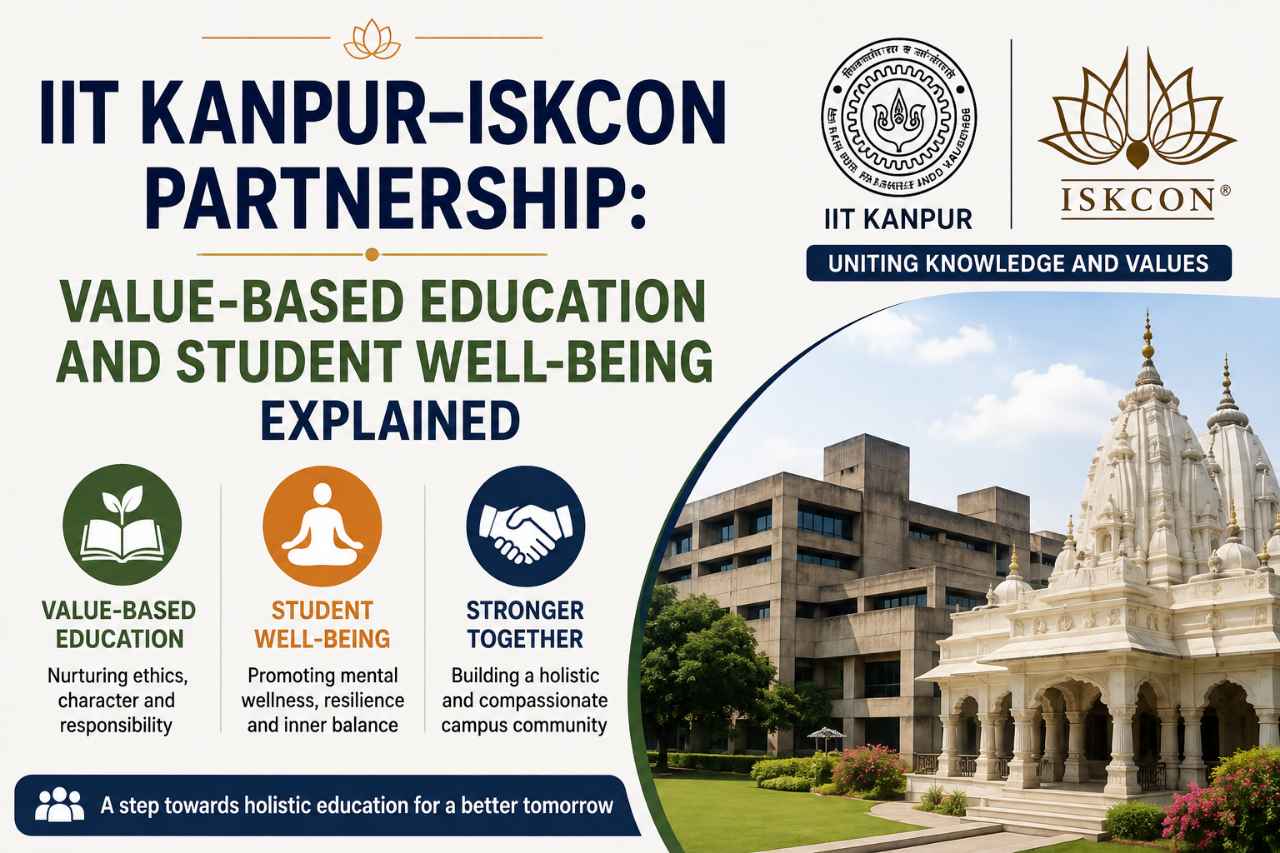
In August 2026, the Indian institute of Technology (IIT) Kanpur and the International Society for Krishna Consciousness (ISKCON) signed a formal two-year agreement to strengthen value-based education, ethical leadership, and student well-being on campus. The partnership introduces voluntary certified programmes on self-management, wellness, stress management, and personal development areas that matter deeply to engineering students facing intense academic pressure after clearing competitive exams like JEE Advanced.
For lakhs of families across India, an IIT seat represents years of sacrifice and hope. Yet headlines about student stress, burnout, and mental health struggles at premier institutes have pushed campuses to look beyond grades and placements. IIT Kanpur's collaboration with ISKCON Kanpur is one such response: it aims to complement rigorous technical education with opportunities for character building, self-discipline, and holistic growth without making participation mandatory.
This guide explains what the agreement covers, who can benefit, how the courses are structured, and what it means for JEE aspirants, current IIT students, and parents evaluating India's top engineering colleges.
What Is the IIT Kanpur–ISKCON Agreement?
The agreement creates a structured framework for ISKCON to conduct educational and well-being initiatives for interested students at IIT Kanpur. It was signed by Prem Harinam Das, President of ISKCON Kanpur, and Pratik Sen, Dean of Students Affairs at IIT Kanpur. The partnership will remain in force for two years and marks a deliberate step toward a more holistic campus environment.
Unlike changes to degree curricula or admission rules, this collaboration operates alongside regular B.Tech, M.Tech, and research programmes. Students who wish to explore value-based learning can opt in; those focused purely on academics face no obligation to participate. That voluntary design is important in a campus where autonomy and personal choice are highly valued.
Key Objectives of the Partnership
- Value-based education: Encouraging ethical thinking, integrity, and responsible leadership alongside technical skills.
- Holistic well-being: Addressing stress, emotional balance, and self-esteem through structured sessions.
- Character development: Building self-discipline, reflection, and personal growth habits.
- Complementary learning: Supporting not replacing IIT Kanpur's core academic and research mission.
Institutes across India from research universities like Kalasalingam Academy of Research and Education to professional colleges in metro cities are increasingly blending technical training with life skills. IIT Kanpur's move aligns with that broader shift in Indian higher education.
Why Student Well-Being Matters at IITs and Top Colleges
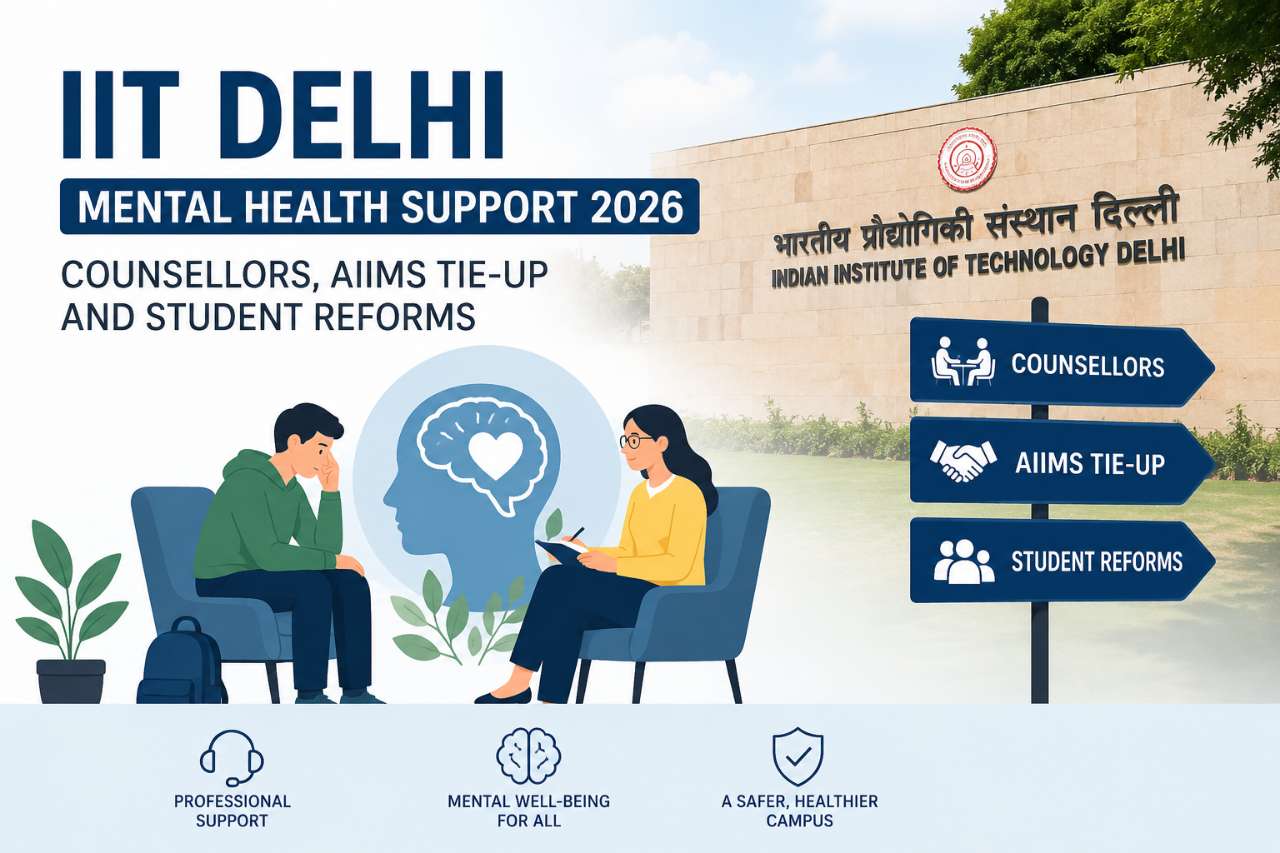
Engineering education in India is among the most competitive in the world. After years of coaching for JEE Main and JEE Advanced, students enter IITs with high expectations from themselves, their families, and recruiters. The transition from school or coaching centres to a demanding campus can trigger anxiety, sleep issues, loneliness, and academic burnout.
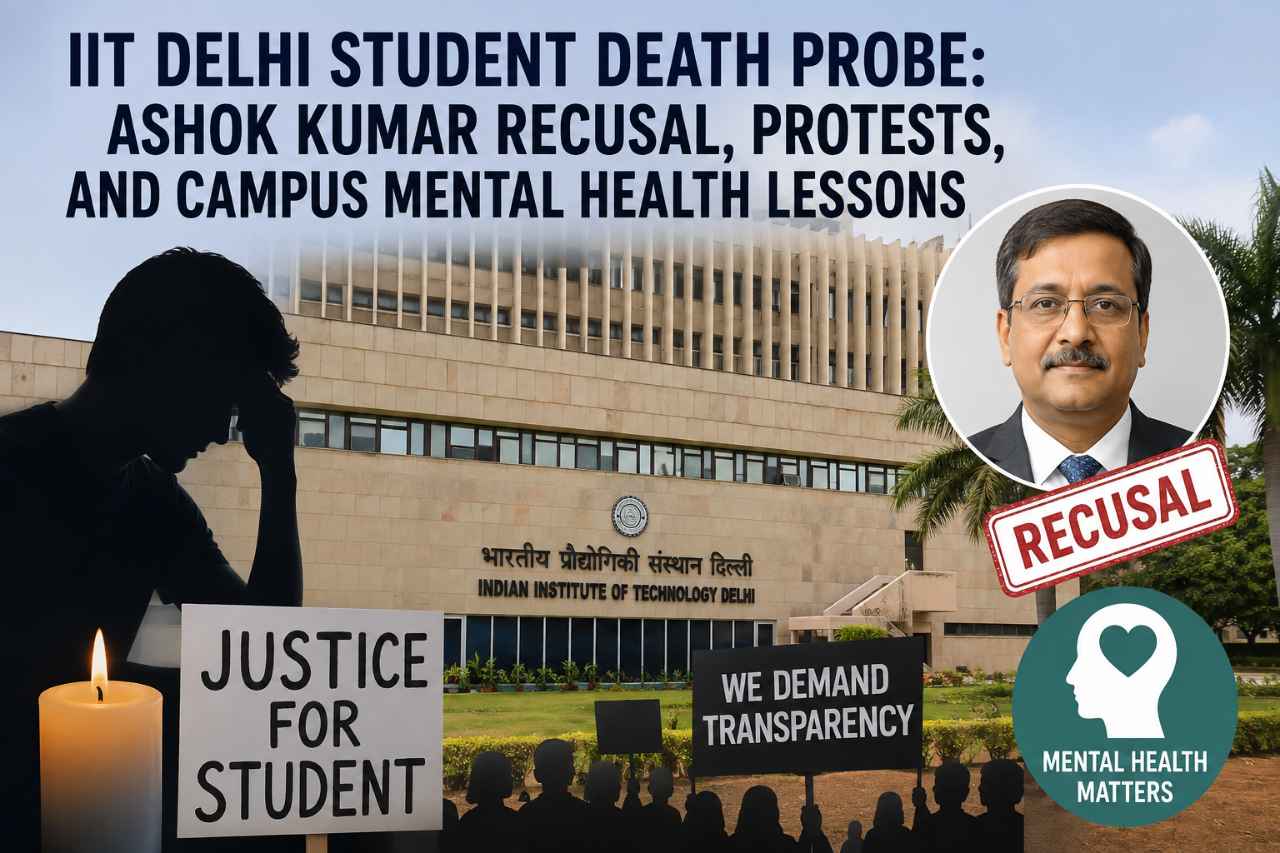
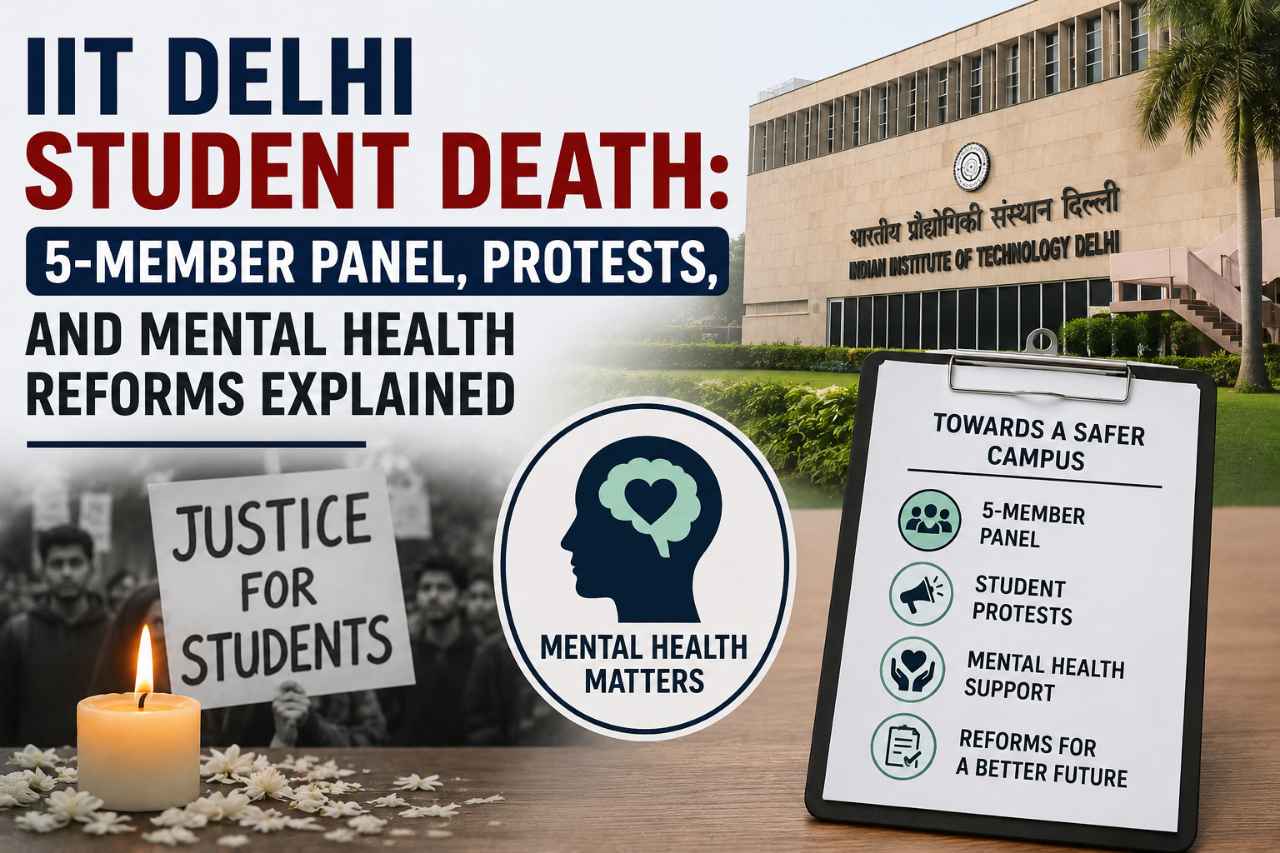
Recent protests and discussions at other IITs over student deaths and mental health support have brought campus wellness into National focus. While counselling cells, peer support groups, and faculty mentors exist at many institutes, structured programmes on stress management and self-management remain unevenly available.
What Research and Campus Experience Tell Us
Studies on Indian engineering students consistently highlight:
- High levels of exam-related stress before admission and during semesters.
- Pressure to maintain CGPA for placements and higher studies abroad.
- Social isolation, especially for first-generation learners from smaller towns.
- Reluctance to seek professional mental health help due to stigma.
Voluntary wellness modules when designed with student input and institutional oversight can lower barriers to seeking help. They also normalise conversations about mental health in hostels and classrooms. Physical education and sports universities such as the Tamil Nadu Physical Education and Sports University, Chennai have long shown how movement, routine, and structured activity support emotional resilience; engineering campuses are now adopting similar holistic thinking through partnerships and in-house programmes.
What Courses Will ISKCON Offer at IIT Kanpur?
Under the agreement, ISKCON may offer certified courses covering self-management, wellness, personal development, stress management, and self-esteem. Each course comprises eight one-hour sessions, making the format manageable for students juggling labs, assignments, and exam schedules.
Typical Course Structure
While detailed syllabi may be published by IIT Kanpur's office of student affairs, the announced framework suggests the following pattern:
| Component | Details |
|---|---|
| Duration per course | 8 sessions × 1 hour each |
| Participation | Entirely voluntary for IIT Kanpur students |
| Certification | Certificates offered for completed programmes |
| Advanced options | Mentorship, visits, and experiential learning (voluntary) |
| Partnership term | Two years from signing (August 2026 onward) |
Students who complete introductory modules may choose to join advanced courses, mentorship initiatives, educational visits, and experiential learning opportunities organised by ISKCON. These add-ons are also voluntary and intended for those who want deeper engagement with value-based learning.
Topics Explained for Students and Parents
Self-management: Time planning, goal setting, and habits that help balance academics with rest and relationships.
Wellness: Physical and mental health practices, including mindfulness, nutrition awareness, and sleep hygiene.
Stress management: Practical tools for exam pressure, placement season, and personal challenges.
Personal development and self-esteem: Building confidence, communication, and a sense of purpose beyond rank and salary.
Teacher-training and education colleges such as Tirupati College of Education, Jaipur and Sanskriti College of Education, Jaipur have integrated similar themes into B.Ed. and foundation courses for years. Bringing structured modules to IIT campuses signals that life skills are not secondary to technical excellence.
Voluntary Participation: Rights and Expectations
A central feature of the IIT Kanpur–ISKCON agreement is that all programmes are optional. No student will be required to enrol for graduation, hostel allotment, scholarships, or disciplinary clearance. This protects academic freedom and respects India's diverse student body, which includes multiple faiths, philosophies, and worldviews.
What Students Should Clarify Before Enrolling
- Schedule and venue of sessions so they do not clash with core labs or tutorials.
- Certification criteria attendance thresholds, assignments, or reflection journals if any.
- Privacy norms for discussions involving personal experiences or mental health.
- Who to contact at IIT Kanpur student affairs if concerns arise about content or conduct.
Voluntary design also means uptake may start modestly and grow through word of mouth. Institutes like St. Peter's Institute of Higher Education and Research, Chennai and Meenakshi Academy of Higher Education and Research, Chennai often report that optional wellness electives become popular once seniors share positive experiences peer endorsement matters as much as official announcements.
How This Fits the National Conversation on Holistic Education
India's National Education Policy (NEP) 2020 emphasises holistic, multidisciplinary learning, ethical reasoning, and learner well-being. IITs, IISc, NITs, and state universities are expected to produce graduates who can innovate responsibly not only engineers who can code, but citizens who can lead teams with empathy and integrity.
Parallel Initiatives Across Indian Campuses
Several trends mirror IIT Kanpur's approach:
- Counselling and helplines: 24×7 support lines and in-house psychologists at many central universities.
- Yoga and mindfulness modules: Short credit or non-credit courses at IITs, NITs, and private universities.
- Industry–institute partnerships: Leadership workshops with corporates and NGOs on ethics and sustainability.
- Health-focused deemed universities: Institutions such as Sri Ramachandra Institute of Higher Education and Research integrate wellness sciences with professional education, offering models for cross-disciplinary collaboration.
Faith-based and community organisations have historically contributed to education in India from gurukul traditions to modern schools and colleges. A formal MoU at an IIT ensures oversight, transparency, and alignment with institutional values while opening channels for specialised well-being content.
Implications for JEE Aspirants and IIT Kanpur Applicants
If you are preparing for JEE Main 2027 or JEE Advanced 2027 with IIT Kanpur on your list, this agreement does not change admission cutoffs, branch allocation, or course credits. Admissions remain based on exam performance, seat matrix, and JoSAA counselling rules. However, campus culture and support systems should factor into your college choice alongside NIRF rank, faculty, placements, and infrastructure.
Questions Worth Asking During Open Days or Campus Visits
- What counselling and psychiatric support does the institute provide?
- Are wellness programmes integrated with student affairs or run only by external partners?
- How are voluntary modules evaluated for quality and inclusivity?
- What peer-support structures exist in hostels?
- How does the institute respond to mental health emergencies?
Aspirants from Rajasthan and other states who later pursue B.Ed. or allied education degrees may already encounter value-based modules at institutions like District Institute of Education and Training, Sikar or Shekhawati College for Education, Losal, Sikar. Experiencing similar themes early can make optional IIT programmes feel familiar rather than unfamiliar.
Role of Parents and Guardians
Parents invest heavily in coaching, hostel fees, and relocation costs for IIT education. Many worry more about grades than about sleep, friendships, or emotional health until a crisis occurs. The IIT Kanpur–ISKCON partnership is a reminder that world-class engineering education includes space for personal growth.
Practical Tips for Families
- Discuss stress openly before your child leaves for campus; normalise asking for help.
- Encourage use of official counselling services, not only informal advice from relatives.
- Support voluntary wellness activities if your child shows interest without pushing religious or philosophical alignment.
- Monitor signs of burnout during semesters: withdrawn behaviour, chronic fatigue, or sharp grade drops.
Metro-based education hubs including Delhi Metropolitan Education and ICFAI Foundation for Higher Education, Hyderabad increasingly communicate with parents about holistic development. IIT families deserve the same level of transparency about optional programmes, schedules, and grievance mechanisms.
Ethical Leadership and Character Development in Technical Careers
Engineering graduates lead teams that build AI systems, infrastructure, medical devices, and defence technologies. Ethical lapses data misuse, safety shortcuts, or toxic workplace culture can harm millions. Value-based education at IITs targets the human side of innovation: integrity under pressure, accountability, and respect for diverse colleagues.
Skills That Complement B.Tech Training
- Self-awareness: Recognising personal triggers during high-stakes projects.
- Empathy: Supporting peers who struggle academically or emotionally.
- Ethical reasoning: Evaluating trade-offs in research, startups, and corporate roles.
- Resilience: Recovering from failure in exams, internships, or entrepreneurship attempts.
Vocational and professional institutes such as the Loyola Institute of Vocational Education, Chennai and maritime training centres like the Academy of Maritime Education and Training, Chennai embed discipline and teamwork into daily routines. IIT partnerships extend that philosophy into India's most selective technical ecosystem.
Monitoring Outcomes: What Success Should Look Like
Agreements like this one should be judged by measurable and qualitative outcomes over two years. Useful indicators include:
- Number of students enrolling and completing certified modules.
- Student satisfaction surveys administered independently by IIT Kanpur.
- Referral pathways from wellness sessions to professional counselling when needed.
- Reported reduction in unaddressed stress cases, where data is available and privacy is protected.
- Feedback from faculty and hostel wardens on campus climate.
Transparency builds trust. When institutes publish anonymised participation trends and student feedback, aspirants comparing IIT Kanpur with IIT Bombay, IIT Delhi, or IIT Madras can make informed decisions. Research-oriented campuses including KLE Academy of Higher Education and Research, Belgaum and Aurora Higher Education and Research Academy often evaluate soft-skill interventions through formal review cycles; IIT Kanpur may adopt similar practices for this partnership.
IIT Kanpur at a Glance: Context for the Partnership
Indian Institute of Technology Kanpur, established in 1959, is among the original five IITs and consistently ranks among India's top engineering institutes in NIRF and global university rankings. Located on a sprawling campus in Uttar Pradesh, IIT Kanpur offers B.Tech, M.Tech, integrated programmes, and doctoral research across disciplines including computer science, aerospace, materials science, and biological sciences. Admission to undergraduate programmes remains through JEE Advanced and JoSAA counselling, with cutoffs varying by branch and category each year.
The institute's reputation rests on research output, entrepreneurship cells, and strong industry placement records. Yet even high-achieving campuses recognise that technical rigour alone does not prepare every student for the emotional demands of hostel life, competitive grading, and career uncertainty. The ISKCON partnership should be read in that context: an addition to student affairs infrastructure, not a diversion from academic standards.
How External Partnerships Work on IIT Campuses
IITs routinely collaborate with industry, NGOs, government agencies, and cultural organisations for guest lectures, hackathons, sports events, and social outreach. Each MoU typically specifies scope, duration, oversight mechanisms, and student consent norms. The IIT Kanpur–ISKCON agreement follows this pattern a time-bound, voluntary framework rather than a permanent curriculum change. Similar logic applies when institutes tie up with hospitals for health camps or with sports bodies for fitness programmes.
Students comparing IIT Kanpur with other options should note that many campuses already run yoga weeks, meditation clubs, and peer counselling networks. What distinguishes this agreement is the formal two-year commitment, certified course structure, and explicit focus on value-based education alongside wellness metrics such as stress management and self-esteem.
Preparing for Campus Life: Tips for Incoming First-Year Students
Whether or not you enrol in ISKCON-certified modules, building healthy habits early in your IIT journey pays dividends across all semesters. Start by mapping campus resources during orientation: locate the counselling centre, health centre, gymnasium, and student affairs office. Introduce yourself to hostel mentors and senior students who can share practical advice on time management and course selection.
Balance is key. Allocate fixed hours for sleep, meals, and recreation not only for library sessions. Join at least one non-academic activity, whether sports, cultural clubs, or technical societies, to build friendships beyond your batch and branch. If stress spikes before mid-semester exams or end-semester projects, use official support channels early rather than waiting until performance collapses.
Parents can support this transition by maintaining regular but not overwhelming communication, encouraging independence, and avoiding comparisons with cousins or coaching batchmates. An IIT admission is a milestone, not a guarantee of effortless success. Programmes that address self-management and personal development exist precisely because even brilliant students sometimes struggle silently. Institutes such as Noorul Islam Centre for Higher Education, Kanyakumari and Sri Devaraj Urs Academy of Higher Education and Research, Kolar demonstrate how regional universities also prioritise student-centred support alongside academic delivery.
Broader Lessons for Indian Higher Education
The IIT Kanpur–ISKCON collaboration is not a template every college must copy. State universities, private institutes, NITs, and regional engineering colleges face different resources and student profiles. The underlying lesson is universal: academic excellence and student well-being are not opposites.
Actionable Steps for Other Institutions
- Audit existing counselling capacity and identify gaps before signing external MoUs.
- Ensure all wellness programmes remain voluntary unless formally credited as electives with academic council approval.
- Involve student representatives in designing schedules and feedback loops.
- Train faculty and staff to refer students to appropriate support not to substitute for clinical care.
- Communicate clearly with parents and alumni about goals, boundaries, and evaluation methods.
Education colleges training future teachers whether Vardha College of Education, Sikar, Prince Academy of Higher Education Girls College, Sikar, or Shanti Niketan College of Education, Jaipur can incorporate case studies from premier institutes to prepare educators for holistic classrooms nationwide.
Conclusion
The two-year agreement between IIT Kanpur and ISKCON Kanpur represents a thoughtful effort to weave value-based education, wellness, and character development into the fabric of one of India's top engineering institutes. Through voluntary certified courses eight one-hour sessions each on self-management, stress management, personal development, and self-esteem, interested students gain structured support beyond lectures and placements.
For JEE aspirants, parents, and educators, the partnership underscores a simple truth: securing an IIT seat is only the beginning. Thriving on campus requires technical mastery and emotional resilience in equal measure. As Indian higher education evolves under NEP 2020, initiatives that respect student choice while promoting ethical leadership may become as important as laboratory infrastructure and industry tie-ups.
Watch for official announcements from IIT Kanpur's Dean of Students Affairs regarding enrolment timelines, session calendars, and certification details. Whether or not you choose to participate, knowing that such options exist is itself a step toward a healthier, more balanced engineering education in India.